
Education
Understanding Mental Health
Mental Health Education
Understanding Your Illness is the First Step Toward Recovery
The following resources provide information on schizophrenia, psychosis, and related mental health conditions. Whether you are newly diagnosed, supporting a loved one, or simply looking to learn more, these resources are here to help.

Mental Health Conditions and Mental Illnesses
Schizophrenia
Schizophrenia is a serious mental illness that affects how a person thinks, feels, and behaves. Symptoms include delusions, hallucinations, and disorganized speech.
Depression
A feeling of sadness or being down that everyone experiences sometimes. It usually goes away after a while.
Mood Disorder
Mood disorders are a group of mental illnesses that affect how you feel and think about yourself. Types include depression, dysthymic disorder, and bipolar disorder. Symptoms include low self-esteem, excessive guilt, and feeling hopeless.
Bipolar Disorder
Bipolar disorder causes extreme mood changes, from times of very high energy (manic episodes) to times of depression. Symptoms include mood swings and difficulty thinking and making decisions.
Personality Disorder
A personality disorder is a pattern of feelings, thoughts, and behaviours that affect how you understand yourself, react to the world, cope with emotions, and navigate relationships. Symptoms include unpredictable behaviours, suspicion and distrust, and difficulty with relationships.
Psychosis
A condition where a person has difficulty telling what is real and what is not, often involving hallucinations or delusions.
Anxiety Disorders
A group of mental illnesses characterized by excessive fear, worry, or nervousness that interferes with daily life. Types include Generalized Anxiety Disorder, Panic Disorder, Agoraphobia, Social Anxiety Disorder, Specific Phobia, Separation Anxiety Disorder, and Selective Mutism.
Clinical Depression
A medical condition where someone feels very sad or empty for weeks or months, making it hard to do normal things. It is more than just feeling sad and often needs help from a doctor or counselor.
Obsessive Compulsive Disorder (OCD)
OCD is a common anxiety disorder. People with OCD experience obsessions and compulsions that are difficult to control.
Substance Use Disorder
A treatable mental disorder that affects a person's brain and behaviour, leading to an inability to control the use of legal and illegal drugs and alcohol. Symptoms include loss of control and frequency of use.
Dissociative Identity Disorder
Dissociative disorders involve experiencing a loss of connection between thoughts, memories, feelings, surroundings, behaviour, and identity. Symptoms include memory loss and sudden shifts in mood.
Schizophrenia Spectrum and Related Disorders
Schizophrenia
A severe, long-term mental disorder with psychosis and impaired daily functioning, lasting six months or more. Common symptoms include delusions, hallucinations, disorganized speech and behaviour, negative symptoms such as flat affect and lack of motivation, and significant social and occupational impairment.
Schizoaffective Disorder
A combination of schizophrenia symptoms and mood disorder symptoms such as depression or mania. Common symptoms include psychosis, mood swings, and psychosis that occurs both with and without mood symptoms.
Brief Psychotic Disorder
A sudden, short episode of psychosis usually triggered by stress, lasting less than one month. Common symptoms include delusions, hallucinations, disorganized speech or behaviour, and quick recovery after the episode.
Anosognosia
Anosognosia is a condition in which a person is unaware of or unable to recognize that they have an illness or disability. It is caused by changes in brain function and is not simply denial. Anosognosia can occur in individuals with certain neurological conditions and mental health disorders and may affect their ability to seek or accept treatment.
Delusional Disorder
Having one or more fixed false beliefs (delusions) for at least one month, but otherwise normal thinking and functioning. Common symptoms include strong false beliefs, few or no hallucinations, and normal behaviour outside of the delusion.
Schizophreniform Disorder
Schizophrenia-like symptoms lasting one to six months, which may develop into schizophrenia or improve fully. Common symptoms include delusions and hallucinations, disorganized thinking, negative symptoms such as lack of emotion and motivation, and impaired daily functioning.
Schizotypal Personality Disorder
A long-term personality disorder with odd beliefs and behaviours, but no full psychosis. Common symptoms include strange ideas such as magic or telepathy, social anxiety and discomfort, odd speech or dress, and suspiciousness with few close relationships.
Mental Health Videos
The Schizophrenia Society of New Brunswick has developed a series of educational videos to help individuals, families, and the public better understand a range of mental health conditions. Each video covers key symptoms, causes, and information to support awareness and understanding.
Schizophrenia
An overview of schizophrenia, including its symptoms, biological factors, and what it means to live with the condition.
Bipolar Disorder
Explores the types of bipolar disorder, including Bipolar 2, Cyclothymic Disorder, Mixed States, and Rapid Cycling.

Obsessive Compulsive Disorder
Covers the causes and characteristics of OCD, including genetic predisposition, differences in brain structure and the role of trauma.
Borderline Personality Disorder
Examines the causes of BPD, including genetic predisposition, brain differences, and the impact of childhood trauma or neglect.
Clinical Depression
Describes the symptoms of clinical depression and how it differs from ordinary sadness, including its effects on daily functioning.
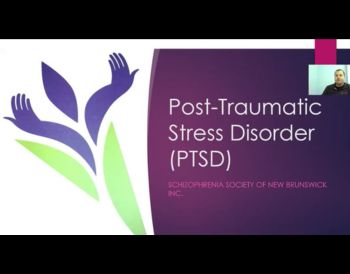
Post-Traumatic Stress Disorder
Explores the causes, symptoms, and impact of PTSD, including how traumatic experiences affect the brain and daily functioning.
Our Sponsors and Supporters
We are grateful to the organizations and businesses that believe in our mission and make our work possible.